18. Persistence & reducers 🔴
TTac stores two kinds of data, each with the right tool:
| Data | Store | Why |
|---|---|---|
| Settings (theme, colours, toggles) | DataStore Preferences | small key–values, observed as a Flow |
| Scores, history, medals, unlocks, heat | one JSON file (stats.json) |
nested structures, one atomic unit |

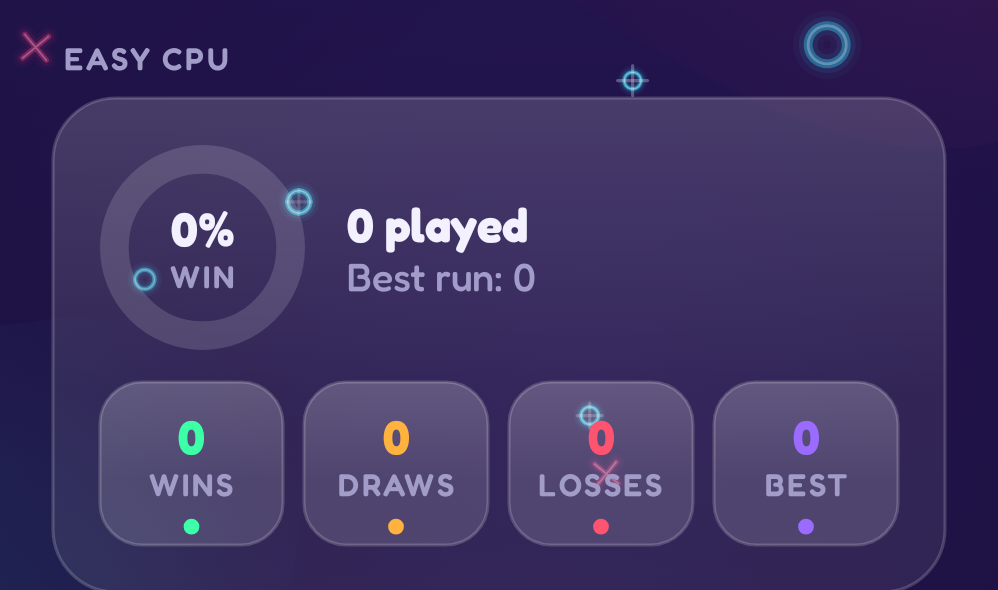
Reducers: state in, state out
All stat logic is pure functions in StatsReducer (data/StatsRepository.kt):
fun record(data: StatsData, result: MatchResult): StatsData
fun recordBlocks(data: StatsData, won: Boolean, score: Int, lines: Int): StatsData
fun recordHive(data: StatsData, points: Int, words: Int, levelCleared: Boolean): StatsData
A reducer takes the whole old state and an event, and returns a whole new state. That means:
- Testable without files or Android —
StatsReducerTestfeeds results and asserts the new state. - Atomic — history, heat, streaks, medals and unlocks all update together or not at all.
- Diffable — "what changed?" is
new − old(that's how newly earned medals and unlocks are detected).
The repository
StatsRepository wraps the reducers with storage:
private fun update(transform: (StatsData) -> StatsData) {
    scope.launch(Dispatchers.IO) {
        loaded.await()                       // never write before the file has been read
        mutex.withLock {
            val next = transform(_stats.value)
            _stats.value = next              // UI updates immediately (StateFlow)
            tmp.writeText(json.encode(next))  // write a temp file…
            tmp.renameTo(file)                // …then atomically replace
        }
    }
}
- Mutex — two quick results can't interleave read-modify-write.
loaded.await()— an early write can't clobber data that hasn't loaded yet.- Temp file + rename — a crash mid-write leaves the old file intact.
Schema evolution
Adding fields is safe: every field has a default, and the JSON parser uses ignoreUnknownKeys. When a new field
needs a value derived from old data, a backfill runs on load — e.g. soloOverall (your streak across all
difficulties) is rebuilt by replaying solo history:
val overall = history.filter { it.mode == SOLO }.asReversed().fold(Record()) { rec, m -> rec.add(outcomeOf(m)) }
Going further
- Records keep win and loss streaks:
add(WIN)extends the win streak and resets losses; a draw resets both. - History is capped at 200 matches and the award log at 100, keeping the file small and fast to parse.